
Curriculum and community-relevant arts, culture and natural heritage programmes, locally and nationally. Locally at the Bergtheil Museum, Palmiet Nature Reserve, Westville, Durban and at schools or community venues. National programmes include training workshops for heritage staff and applied arts and heritage facilitators.
The MeL project conducted by Dr Lange provided learners with an opportunity to experience practical, hands-on learning rather than only learning about history and archaeology from textbooks. The activities such as making spears and constructing traditional shelters, allowed learners to engage with the past in a meaningful and interactive way. The excavation activity was particularly valuable including the process of carefully uncovering and interpreting the material remains of past societies. I also appreciated how the project connected archaeology with the history of the German settlers, and allowed learners to explore this aspect through the museum tour. From my perspective as an intern with an Anthropology background, the programme was also beneficial to us because it exposed us to another important aspect of the field. Observing and participating in the programme gave me an opportunity to connect my knowledge with practical experience. I believe the programme was also beneficial as it encouraged learning, curiosity and a deeper appreciation of archaeology, heritage and museum education. Ayanda Zondi, 2026.


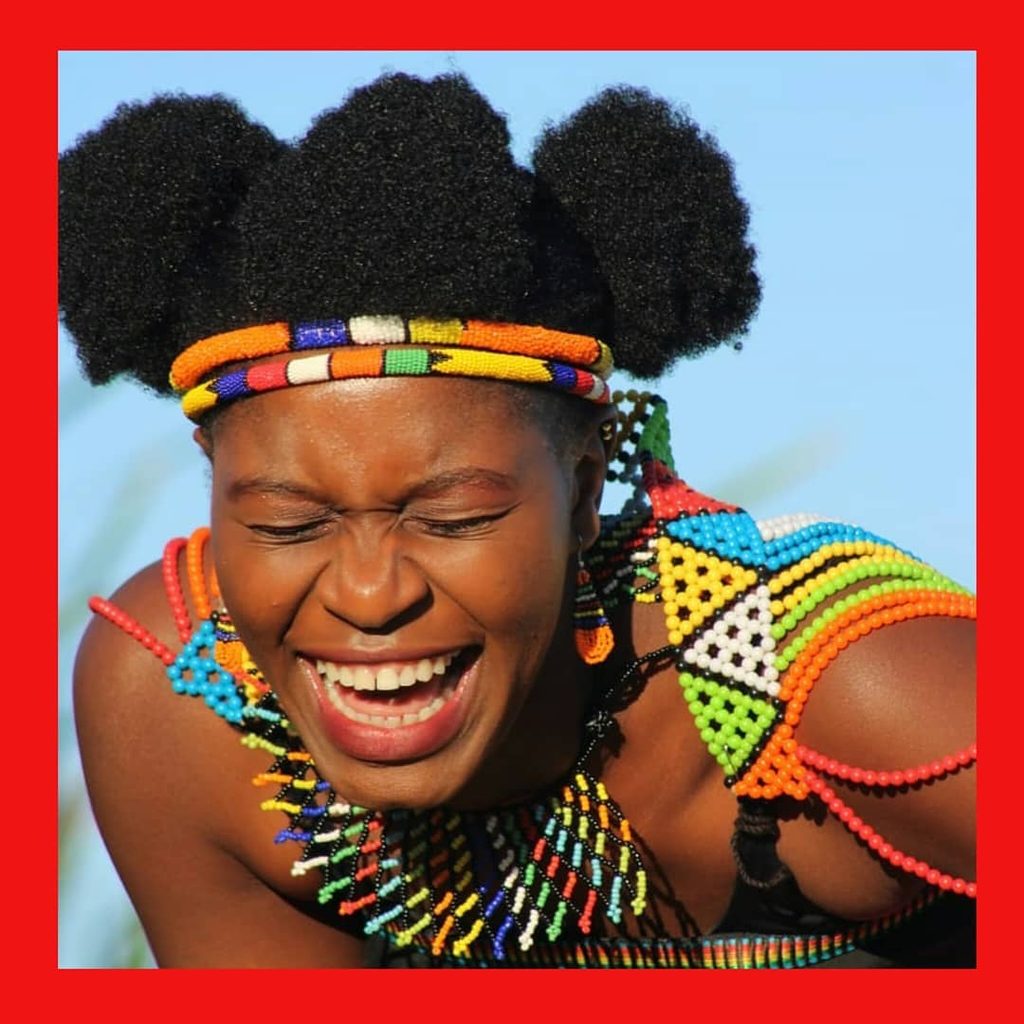
Noluthando Shandu – “A warrior of joy! Born from a tribe of warriors, a people who have always known strength, I choose to carry the warrior spirit differently. I fight for joy. I fight for love. I fight for light. Joy is part of my inheritance.”
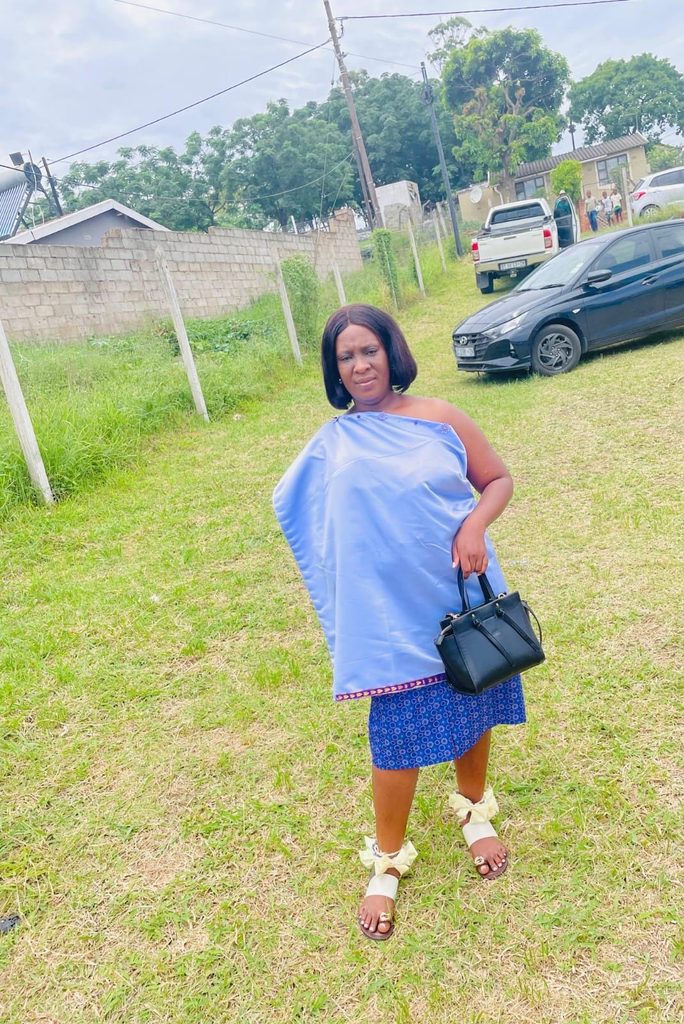
Nkanyezi Vilakazi “Me, in my Swati traditional attire for girls/ladies. The ilihiya cloth is a plain woven cotton cloth and a fitted shirt paired with amkehlekehle. I wrap the ilihiya around my body and tie it over my shoulder.”
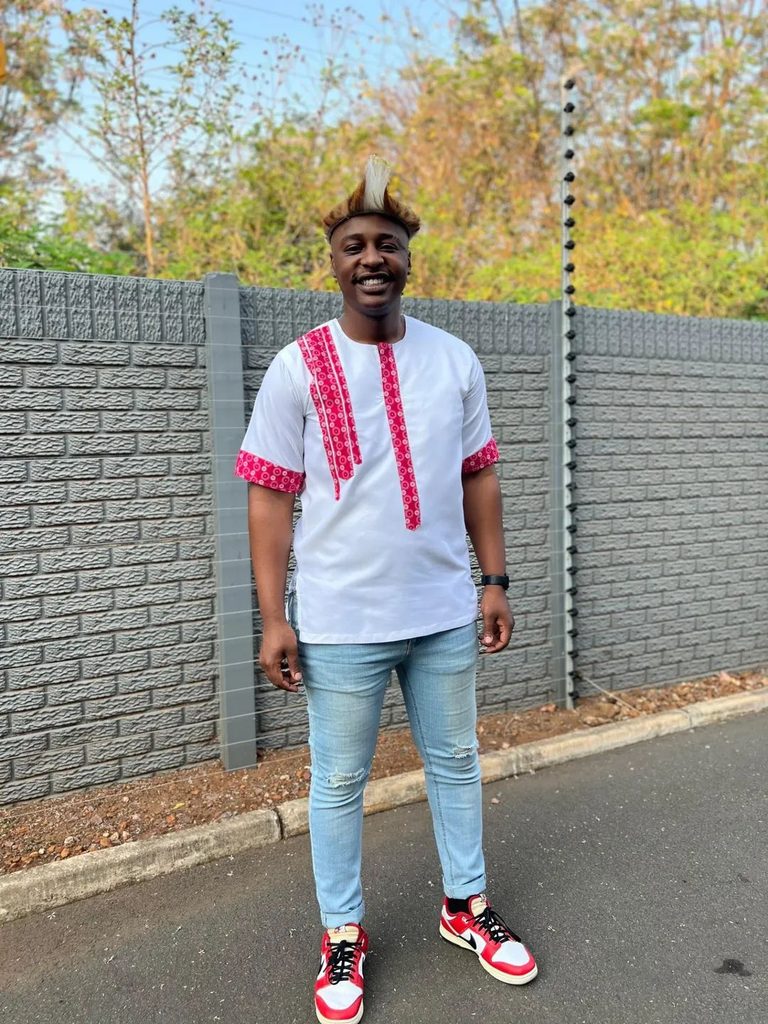
Jabu Nxumalo: ” This is me in my modern-day Tswana-inspired men’s shirt with a pink patterned shweshwe fabric and my headpiece made from animal skin, called ‘Umqhele’ in isiZulu. It was worn by Zulu clans and has now been carried over for generations to us who wear it to celebrate and embrace who we are.”
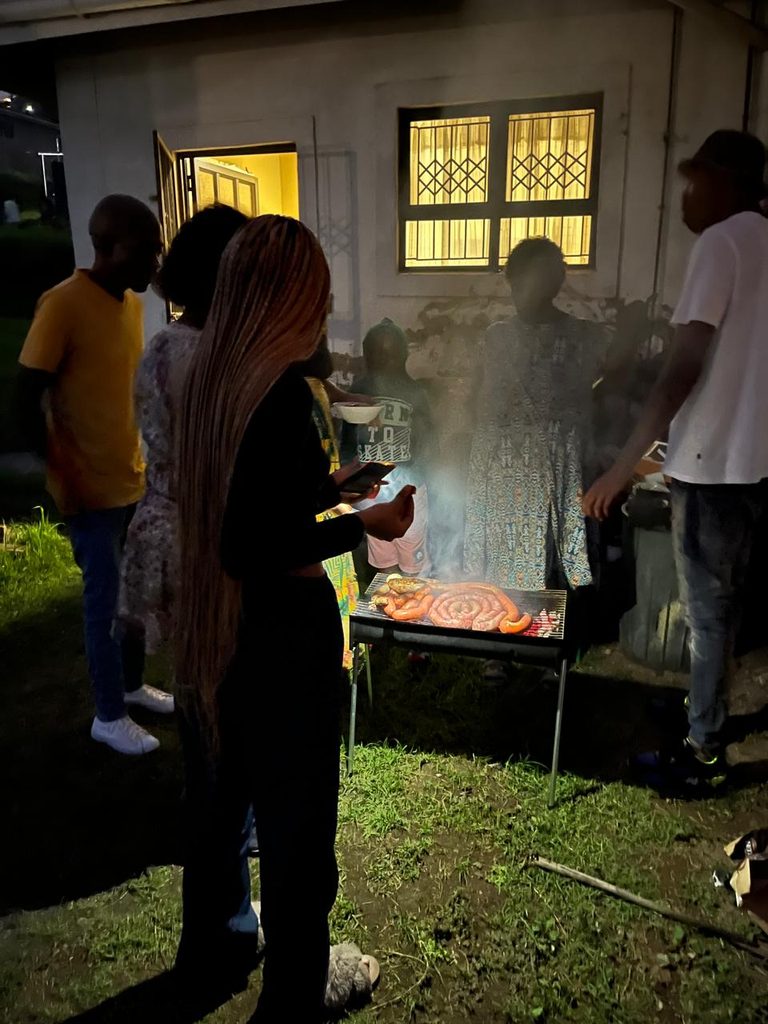
Sanele Madlala “Celebrating my heritage the true South African way, sharing a braai with my family where we connect, laugh, and keep our culture of togetherness alive.”
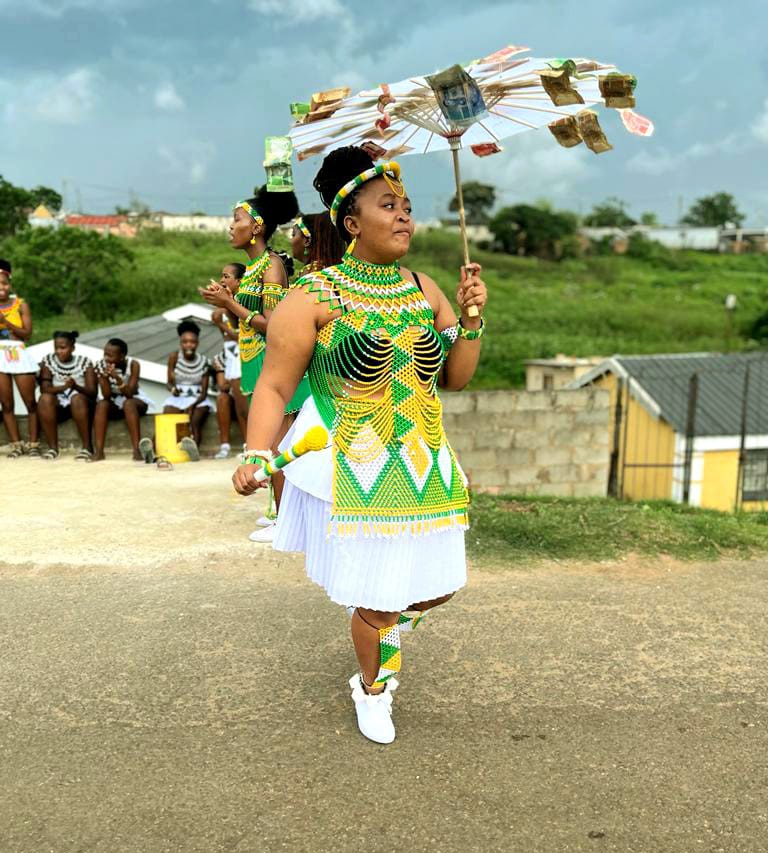
Thandeka Ngcobo “Ngigqoke ngesintu, ngiziqhenya ngobuzulu bami. This traditional wear marks my coming of age–a celebration of my upbringing and my transition into womanhood.”
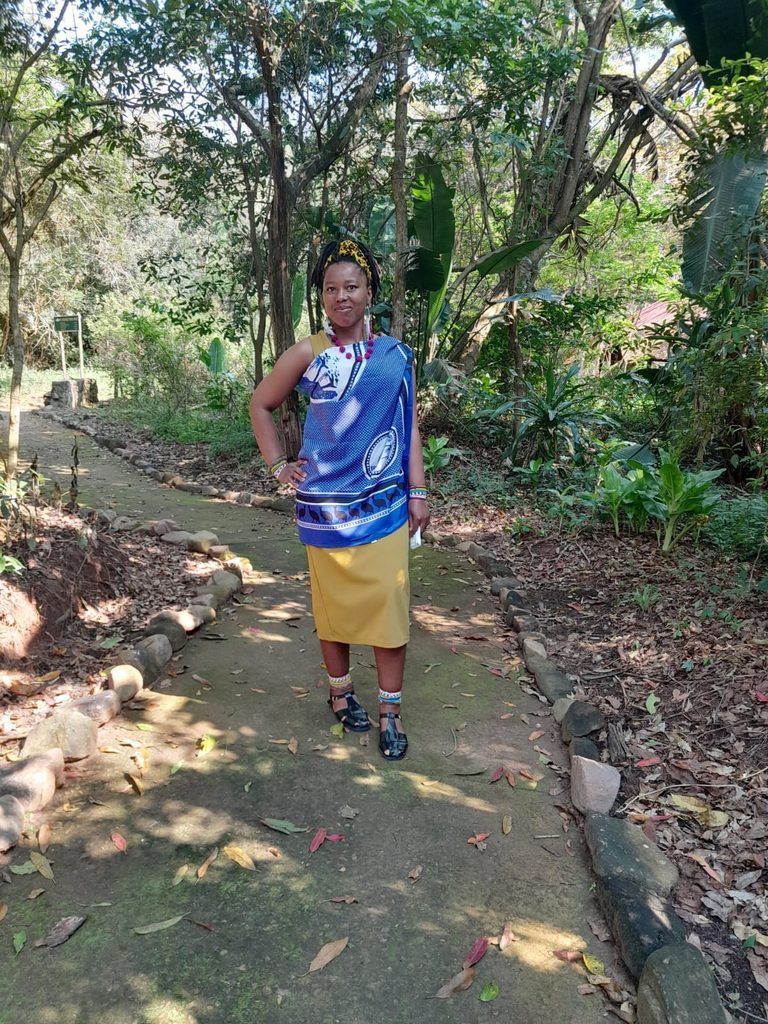
Thembeka Mkhwanazi: “I celebrate Heritage Day in style, surrounded by nature.”